 Lijahne Beetge
The Psychology of Ageing: It’s Not Just Your Body That Changes
What happens to the way we think, feel, behave and connect as we get older?
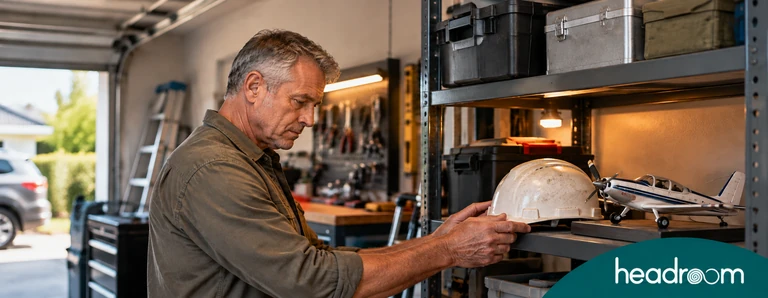
A change in routine, a retirement date approaching, children becoming more independent, or taking on new responsibilities for an older parent can prompt us to look at our lives differently. Sometimes these changes are welcome; at other times, they leave us feeling uncertain about who we are and what comes next.
When we think about ageing, we often think first about physical changes: our energy, mobility, appearance, health or the way our bodies function. But ageing is about more than the body.
Our psychological world can change too. Identity, relationships, priorities, routines, a sense of independence and ideas about the future may all shift. Sometimes these changes happen gradually. At other times, a major life event such as retirement, illness, bereavement, divorce or becoming a caregiver brings them sharply into focus.
In my work with adults, I have often found that the challenge is not simply adjusting to what has changed, but making sense of what those changes mean for who we are and how we want to live.
Understanding the psychology of ageing
Getting older can involve several transitions at once. You may no longer have the same work responsibilities. Your children may have left home and developed lives of their own. Your parents may have died or become dependent on you. Friendships may change, and your social world may become smaller. You may have more time, but less structure.
These changes can raise questions that are deeply psychological:
Who am I now?
What gives my life meaning?
Where do I fit?
What do I still want to achieve?
What happens if I can no longer do the things I used to do?
These questions are not, in themselves, signs that something is wrong. They are natural questions that can arise when life changes. The difficulty may lie in trying to manage several changes at once, especially when we feel we should be coping better than we are.
Who am I now?
For many people, identity has been closely connected to what they do. A career, a profession, being a parent or partner, being financially responsible for a family, or being someone others rely on can become important parts of our sense of self.
When one of those roles changes, we can experience a surprising sense of loss. Retirement, for example, may bring freedom and relief, but it can also leave someone wondering: “What am I supposed to do now?”
The challenge is not simply filling the hours. It is rebuilding a sense of identity, structure and purpose that fits the next stage of life. Purpose does not have to disappear when familiar roles change; it may need to take a different form. For some people, meaning comes from relationships, learning, contributing to a community or pursuing interests that previously received little attention. For others, finding a new sense of purpose takes time, particularly when a transition also involves grief or uncertainty.
Retirement is more than leaving work
Retirement is often described as a financial or lifestyle transition. Psychologically, it can be much more than that.
Work may provide routine, achievement, social interaction, status, purpose and a sense of being needed. When these things change, some people experience anxiety, low mood, irritability or a loss of direction.
This does not mean retirement is inherently negative. It can be an opportunity to reconsider what matters and create a life that is less driven by obligation and more aligned with personal values. But adjustment takes time. Sometimes we need to give ourselves permission to grieve the life we had while also beginning to build the life we want next.
Our relationships change too
Ageing does not happen in isolation. Our relationships change alongside us.
Partners may spend significantly more time together after retirement. Adult children may become more involved in decisions about their parents. Parents may begin to depend on their children in ways that feel unfamiliar. Friendships can change as people move, retire, become caregivers or experience health difficulties.
These changes can create new opportunities for connection, but they can also create tension. A relationship that worked well when both partners were working may need to be renegotiated when their daily lives change. A parent who has always been independent may struggle when an adult child begins expressing concern about their health or safety. Adult children, meanwhile, may be supporting ageing parents while managing their own families, careers and emotional responsibilities.
Healthy relationships often require us to adapt the way we communicate, set boundaries and understand one another.
Loneliness is not simply about how many people we see. It is also about whether we feel understood, valued and connected. Some people may have fewer opportunities for everyday interaction after retirement or a change in routine; others may have regular contact with people but still miss a sense of closeness. Recognising this difference can be an important first step towards finding meaningful ways to reconnect.
What research tells us about changing priorities
Psychologist Laura Carstensen’s Socioemotional Selectivity Theory offers one way of understanding how priorities may evolve across adulthood. The theory proposes that when people perceive their future time as more limited, they may place greater importance on emotionally meaningful goals and relationships rather than on exploration alone (Carstensen, 2021).
For some people, this may mean becoming more intentional about how they spend their time, which relationships they nurture and what gives their lives meaning. This is not a rule that applies to everyone, nor does it mean that people stop learning or pursuing new goals as they age. It is one research-based perspective on how priorities can change in response to life stage and circumstances.
Loss does not always mean bereavement
When we think about loss, we often think about losing someone we love. But ageing can involve many other forms of loss. We may lose a role, a familiar routine, physical abilities, financial independence, a home, a friendship or a sense of certainty about the future.
Even the version of ourselves we once knew can feel as though it has been lost. These experiences can bring grief, even when nobody has died.
Recognising these losses matters because sometimes what looks like irritability, withdrawal or low motivation is an emotional response to significant change. Naming what has changed can help us understand what we need, rather than judging ourselves for finding the transition difficult.
The fear of losing independence
One of the most difficult psychological aspects of ageing can be the fear of becoming dependent on others. For someone who has spent decades making their own decisions and caring for other people, needing assistance can feel threatening to their identity. The thought of becoming a burden can be particularly painful.
This is why conversations about support, healthcare, living arrangements or future planning can sometimes become emotionally charged. Underneath the resistance may be fear:
“What if I can’t manage anymore?”
“What if people stop seeing me as capable?”
“What if I lose control over my own life?”
Understanding the emotion underneath the behaviour can change the conversation. Support can be discussed in ways that preserve dignity, include the person in decisions and recognise the abilities they continue to have.
What happens to our emotional world?
Ageing does not automatically mean becoming anxious, depressed or lonely. Later life can, however, bring circumstances that affect emotional wellbeing, including health concerns, changes in social networks, financial pressures, caregiving responsibilities and significant losses.
At the same time, many people develop greater emotional insight, resilience and perspective as they move through life. The experience is not the same for everyone, and age alone does not determine how a person will feel or function.
Sadness, worry or uncertainty can be understandable responses to change. If distress persists, becomes difficult to manage or begins to interfere with sleep, relationships, daily activities or enjoyment of life, it is worth speaking with a suitably qualified health professional. The World Health Organization notes that mental health conditions in older people can be under-recognised and under-treated, which is one reason not to dismiss ongoing difficulties as “just getting older” (World Health Organization, 2026).
The important question is therefore not simply “Am I getting older?” but “How am I responding to the changes that are happening in my life, and what support might help?”
So what does psychology have to do with ageing well?
Psychology can help us understand the connection between what happens to us and how we respond. Two people can experience a similar life transition and respond very differently. One person may think, “My best years are behind me.” Another may think, “My life is changing, and I have an opportunity to decide what comes next.”
The circumstances may be similar, but the meaning attached to them can be different. Our thoughts, feelings, actions and relationships influence one another. Understanding these patterns can help us identify what is within our influence and where additional support may be useful.
The four lenses of ageing well
One practical way to reflect on a life transition is to consider it through four connected lenses. They are not a test or a diagnosis; they are prompts to help us notice what is happening and identify a manageable next step.
THINKING — What am I telling myself?
Am I making assumptions about what I can or cannot do because of my age? Am I interpreting change as failure, or as something I can adapt to? What else might be true about the situation?
FEELING — What emotions are coming up?
Am I allowing myself to acknowledge sadness, fear, anger or uncertainty? Am I recognising when difficult emotions are becoming persistent or interfering with everyday life?
BEHAVING — What am I doing in response?
Am I staying connected and engaged, or gradually withdrawing? Am I avoiding activities because I am afraid of failing, being judged or feeling uncomfortable? Small, realistic changes in behaviour can support emotional wellbeing.
CONNECTING — Who and what support me?
Who can I talk to honestly? Which relationships help me feel valued and understood? Am I creating opportunities for connection as my circumstances change? Psychological wellbeing is shaped not only by what happens inside our minds, but also by the relationships and environments around us.
Ageing well does not mean ageing without difficulty
There is sometimes pressure to approach ageing positively at all times. But ageing well does not mean pretending that change is easy. It means being able to acknowledge what is difficult while also identifying what remains possible.
It means adapting when circumstances change, allowing ourselves to experience loss without believing that loss defines the rest of our lives, maintaining connection, developing sources of meaning and being willing to ask for support when we need it.
The World Health Organization’s approach to healthy ageing also emphasises the importance of people being able to do what they value, in interaction with their abilities and the environments around them. Wellbeing is therefore not solely an individual responsibility; supportive relationships and environments matter too.
Most importantly, ageing well is not about trying to become the person we were at 30, 40 or 50. It is about understanding who we are now and deciding how we want to live from here.
Because ageing is not only about adding years to our lives. It is also about deciding how we want to live those years.
Perhaps one of the most important questions we can ask ourselves is not “How old am I?” but “Who am I becoming — and what do I want the next chapter to look like?”
About the author
Lijahne Beetge is a Clinical Psychologist offering psychological support through Headroom. Her clinical perspective is informed by evidence-based psychological approaches and her experience working with adults navigating emotional wellbeing, relationships, life transitions and adjustment.
Need some support with your own next chapter?
Getting older can bring significant psychological and emotional changes, and you do not have to navigate all of them on your own.
Headroom’s dedicated counsellors, therapists and psychologists can provide professional support for adults navigating anxiety, low mood, relationships, life transitions, stress, loss, adjustment and other challenges associated with this stage of life.
If something in this article resonates with you, Headroom can help you explore what is happening and identify practical ways forward.