
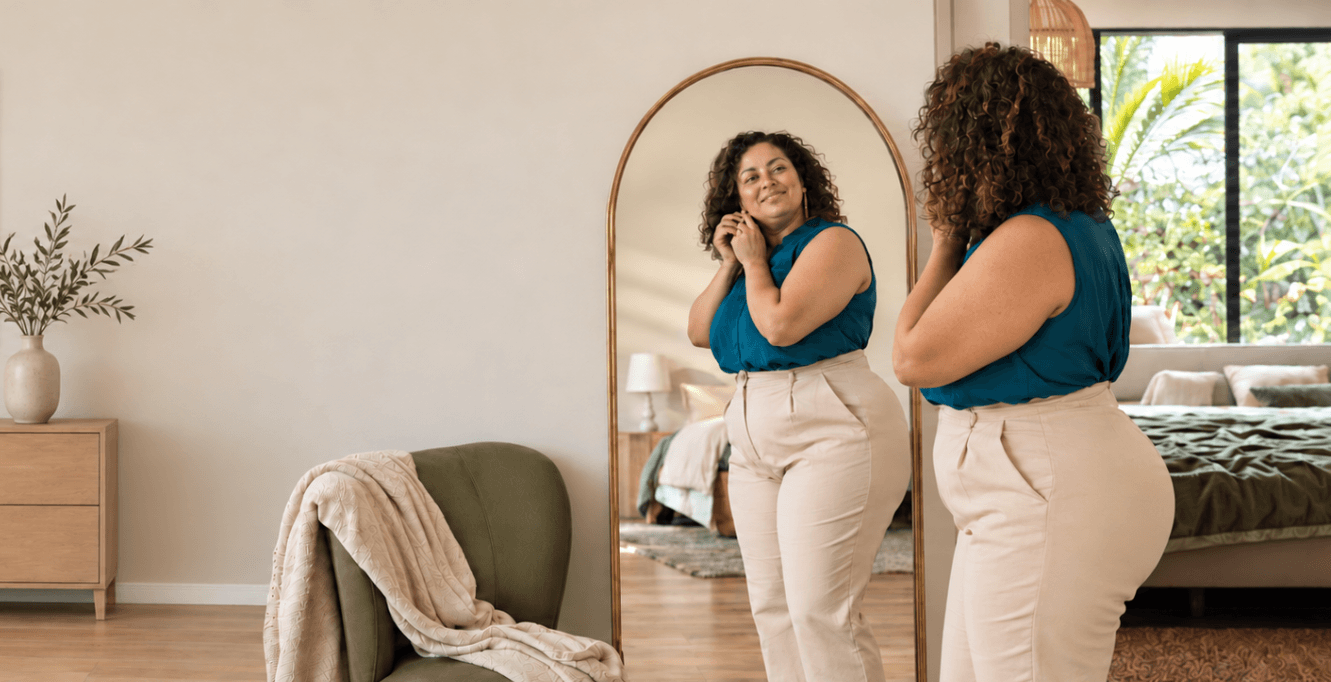
Body Image, Identity & Self-Worth
What would you like support with?
Choose a specific topic to view practitioners whose experience may be particularly relevant.
Find someone who can support you
There may be more to understand
Some experiences affect more of life than we realise. The right conversation can reveal what may be holding you back, what needs care and what could begin to feel different.
Identity is shaped both from within and by how we are seen
That can mean comparing, hiding, monitoring how we look or come across, changing ourselves to fit a room, or feeling safest only when others approve. Sometimes the discomfort sits mainly within us; sometimes the environment is genuinely prejudiced or rejecting; often both interact.
Recognising that difference matters. It can shift the question from “What is wrong with me?” to “What have I learned about myself, where did it come from, and what do I want to keep?”
How support may help
The work may involve loosening patterns of comparison, checking or self-monitoring; challenging shame-based assumptions; building safer ways to respond to rejection or discrimination; and developing a steadier sense of identity that does not depend so heavily on external approval. If body dysmorphia or severe distress may be present, a practitioner can also help you work out whether specialist assessment would be useful.
The aim is not to force body positivity, a label or a particular identity. It is to help you understand yourself more clearly, reduce how much external judgement or self-surveillance controls your life, and build a steadier sense of worth and belonging on terms that feel genuinely yours.
Why Clients Trust Headroom
Real experiences from people who used Headroom to start a difficult conversation, find the right practitioner or take meaningful next steps.
I spent years changing my hair and how I dressed for work because I knew exactly what looked ‘professional’ in that environment. I did not realise how exhausting it was to be constantly translating myself until I had somewhere to talk about it without being told I was imagining things.

I stopped waiting to look like the version of myself I thought deserved to be in photos with my kids.
I genuinely thought I was just vain. Mirrors, photos, asking my girlfriend if something looked weird, then not believing her anyway. When my practitioner suggested the level of preoccupation might need a more specialist assessment, I was actually relieved. There was finally an explanation for why reassurance never lasted.

I was not ready to arrive with a label. I just knew that the version of me everyone else seemed comfortable with was getting harder to keep performing. My counsellor did not rush me into naming anything. That was exactly why I could finally explore it properly.
I thought body image counselling was going to be about learning to love every part of myself. That sounded impossible and honestly a bit fake. We worked more on how much time I was spending checking, comparing and deciding whether I was allowed to enjoy a day based on how I looked. I still have insecure days. They just do not get to cancel the whole day anymore.
I knew I was gay long before I was ready for anyone else to know. Online counselling gave me one place where I did not have to edit every sentence.
There is one counsellor in our town and she knows my mother, my ex and half the people I was trying to talk about. The pastor was the other obvious option and that felt even less possible. Finding someone online in another province was honestly such a relief. I could talk about my sexuality, my family and how I felt about myself without constantly wondering how all the people in the story connected to the person listening.
The hardest part of varsity was not academics, it was feeling like I was too much of one thing in one group and not enough of it in another. I came for confidence and ended up talking a lot about belonging.
My family would say things about my skin, weight or clothes and call it concern. I laughed along for years. Learning that I could love my family and still decide what commentary I was not willing to absorb anymore was huge.
I come from a small community where everybody knows whose child you are. The issue I needed help with involved people the local pastor knows personally, so there was no way I was going to sit in his office and unpack it. My online counsellor has no connection to any of them. That distance made it possible for me to finally be honest.
4.9 / 5
Based on 390+ verified reviews
Frequently Asked Questions
Have more questions? Our support team is here to help you find the right path forward.
No. Many people feel insecure or dissatisfied with aspects of their appearance. Body dysmorphic disorder is more consuming: perceived flaws become a persistent preoccupation and may lead to repeated checking, comparison, reassurance-seeking or avoidance that causes significant distress or interferes with daily life. A qualified professional should assess whether the concern fits a clinical disorder.
Yes. Good support should help you explore your experience rather than decide the outcome for you. You do not need to know exactly how you identify before booking, and exploring gender does not automatically mean making social, medical or surgical changes. If you later want medical advice, that needs to come from appropriately qualified medical professionals.
No. Sexual orientation is not a mental illness and ethical support should not try to change who you are attracted to. Counselling can instead help with self-understanding, shame, decisions about disclosure, family or community reactions, relationships, discrimination and building a life in which you feel safer being yourself.
That matters. Racism, homophobia, transphobia, cultural exclusion and other forms of discrimination can create real psychological strain. Support should not turn an external problem into a flaw inside you. It can help you process the impact, protect your wellbeing, think through boundaries and choices, and decide what other practical or community support may be useful.
Read profiles for the practitioner's background, areas of focus, languages and approach, and use the first session to ask directly about their experience with what matters to you. A Guidance Session can also help if cultural understanding, LGBTQ+ affirmation or another aspect of identity is particularly important in the match.
Yes. Body image and appearance concerns can exist with or without disordered eating. If eating, exercise or weight-control behaviours are also becoming difficult to manage, the Eating Disorders, Food & Body Relationship theme may be another useful route into support.
It can be useful, particularly if the concern takes up a lot of time, repeatedly drives checking or reassurance, affects social life, or previous attempts to change your appearance have not brought lasting relief. A mental health assessment can help clarify whether the distress is likely to be resolved by changing the feature or whether something else needs attention too.
Helpful Resources For Your Journey
Discover practical guidance, expert insights, and thoughtful resources designed to help you move forward with confidence.
Healthy Sexuality
Sexual identity is a deeply personal aspect of who we are, affecting our emotional health, relationships, and overall well-being. Whether we’re navigating personal discovery, coming to terms with our sexual
Healthy Sexuality
In the digital age, pornography and adult content are more accessible than ever, often shaping our perceptions of intimacy and relationships. However, these influences may sometimes distort our understanding of
Personalized Guidance
Save time and avoid unnecessary trial and error.
We can help you narrow the options around your needs, preferences, budget and availability. So you can make a more informed first choice and get started with confidence.