
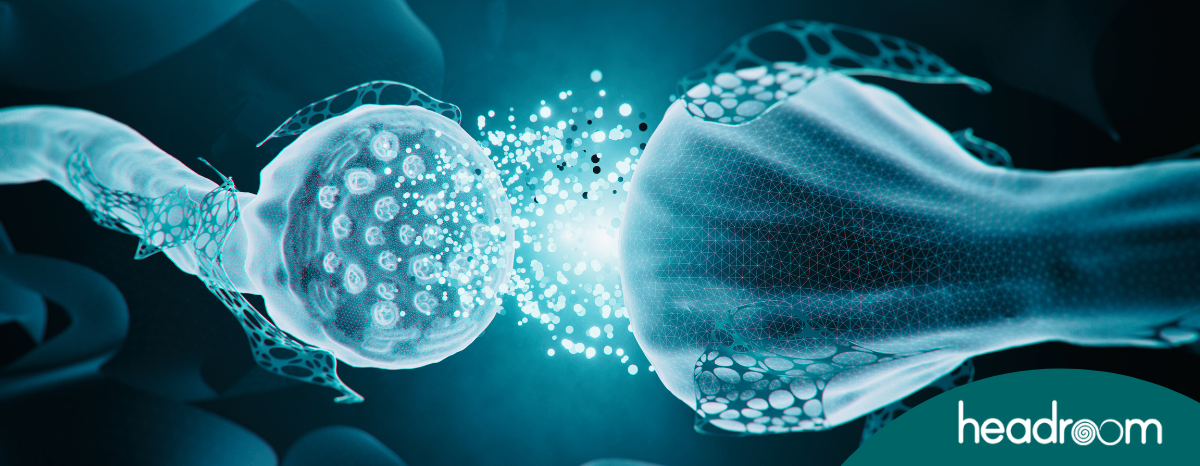
We’ve all heard about culture shock, but what many of us don’t realize is that it’s not just an emotional response—it’s also biological. Dopamine and serotonin, the neurotransmitters responsible for regulating our mood and motivation, are directly affected by the experience of adapting to a new culture. For expatriate teachers in Southeast Asia, this can have a profound effect on our mental health and well-being. Let’s take a closer look at the biological changes that drive culture shock and how we can navigate its impact.
Understanding the Biology Behind Culture Shock
The Role of Dopamine
Dopamine is the neurotransmitter responsible for reward, motivation, and pleasure. When we move to a new country, especially one with stark cultural differences like those in Southeast Asia, the novelty of the experience may initially cause a surge in dopamine. But as we face the more challenging aspects of living abroad—such as language barriers and new social norms—dopamine levels can drop.
This decrease in dopamine may leave us feeling unmotivated, frustrated, or disengaged. A common result is a lack of enthusiasm for teaching and socializing, which can ultimately impact our overall well-being.
“Dopamine is intricately connected to our reward system. When the expected outcomes are not met, we see a significant decrease, leading to feelings of disillusionment,” explains Dr. Mark Zimmerman, a professor of neuropsychology at Boston University.
The Impact of Serotonin
Serotonin plays a crucial role in mood regulation and emotional stability. When we experience loneliness or isolation, which are common for expatriate teachers facing difficulties integrating socially, serotonin production can decrease. This reduction may lead to increased anxiety, depression, and heightened sensitivity to stress.
In Southeast Asia, many of us find ourselves living far from familiar cultural frameworks, which can make it even harder to form meaningful connections, leading to a further drop in serotonin. Over time, these biological changes can escalate into serious mental health challenges.
How Culture Shock Alters Neurotransmitter Levels
The Honeymoon Phase: A Dopamine High
Initially, arriving in a new country is exhilarating. We experience a rush of dopamine as we explore our new surroundings, meet new people, and engage in exciting teaching experiences. This is the honeymoon phase of culture shock, where everything feels novel and rewarding.
The Frustration Phase: Dopamine and Serotonin Crash
Once the honeymoon phase fades, we often enter a period of frustration. This is when the reality of daily life sets in, and the stress of adapting to new norms takes over. Challenges such as understanding local customs, adjusting to the educational system, or feeling disconnected from home can cause a sharp decline in both dopamine and serotonin. The result? We feel overwhelmed, emotionally drained, and unmotivated.
“Serotonin is key to emotional stability. When social integration fails, serotonin levels drop, increasing the risk of mental health issues,” says Dr. Lisa Kornfield, a leading researcher in expatriate mental health.
Common Struggles with Culture Shock for Men and Women
Both men and women experience the effects of culture shock differently. While the biological changes are similar, the way each gender responds can vary.
Men’s Struggles
Men, particularly those in leadership or teaching roles, often feel pressure to maintain composure and not express vulnerability. This can make it difficult for them to seek help when dealing with the emotional impacts of culture shock. Bottling up stress may lead to feelings of isolation, which further decreases dopamine and serotonin levels.
Women’s Struggles
Women, on the other hand, often juggle multiple roles, balancing professional responsibilities with social expectations. This additional pressure, combined with the challenges of integrating into a new culture, can amplify feelings of homesickness or disconnection. Many women may also struggle with the different gender norms present in Southeast Asia, which can heighten stress and lead to emotional burnout.
The Role of Coaching, Counseling, and Therapy
While culture shock can feel overwhelming, coaching, counseling, and therapy can provide invaluable support for expatriate teachers navigating this difficult transition.
How Coaching Helps
Coaching offers practical tools for overcoming the motivational dip that comes with a decrease in dopamine. Coaches work with us to set achievable goals, help us reframe challenges as opportunities, and rebuild our confidence and sense of purpose. This not only boosts dopamine levels but also helps us feel more connected to our new environment.
The Benefits of Counseling and Therapy
Therapy, particularly Cognitive Behavioral Therapy (CBT), addresses the emotional strain caused by low serotonin levels. By working with a therapist, we can identify and change negative thought patterns, reducing anxiety and depression. Counseling also helps in managing the emotional ups and downs that are part of the culture shock experience, offering coping strategies that promote emotional stability.
“Therapy helps expatriates process the emotional challenges of relocation, ultimately restoring mental balance,” states Dr. Michelle Levine, a clinical psychologist who specializes in expatriate care.
Why Culture Shock Is Not Just in Your Head
Many people, both expatriates and those back home, may think that culture shock is something we can easily overcome with time. But it’s not that simple—it’s rooted in biological changes that directly affect our mental health. By understanding how dopamine and serotonin are impacted, we can take proactive steps to support our well-being and seek help when needed.
It’s important to recognize that culture shock is more than a temporary feeling of discomfort. Both men and women experience unique challenges in adapting to new cultures, but we all share the common experience of biological changes that affect our mental health.
For Your Reflection
If you’re experiencing culture shock, remember: it’s not just in your head, and you’re not alone. Support is available through coaching, counseling, and therapy, all of which can help manage the biological and emotional challenges of adjusting to life in a new culture. Subscribe to our newsletter for more insights, and don’t hesitate to reach out to our team of mental health professionals for personalized support.
References
- Zimmerman, M. (2020). Neuropsychology and Culture Shock: The Biological Response to Cultural Change. Journal of Cognitive Neuroscience, 42(1), 102-115.
- Kornfield, L. (2019). Serotonin and Emotional Resilience in Expatriates. Expatriate Mental Health Journal, 36(3), 45-58.
- Levine, M. (2021). Therapeutic Approaches to Culture Shock. International Journal of Expatriate Well-being, 28(2), 89-102.